







Peptides Are the Future of Performance. But the Future Requires Infrastructure.

Table of contents
Something fundamental is changing in human optimization.
For years, performance enhancement revolved around substrates and stimulation.
Caffeine for energy. Cholinergics for focus. Adaptogens for stress. Mitochondrial support for stamina.
Then peptides entered the conversation.
Not as fuel. Not as stimulation. As instructions.
Peptides are signaling molecules your body already uses. They do not push from the outside. They communicate from within.

Growth hormone secretagogues such as CJC 1295 or Ipamorelin signal the pituitary to release endogenous growth hormone. That influences IGF 1, tissue repair, fat metabolism, and recovery architecture.
BPC 157 modulates angiogenic pathways, nitric oxide signaling, and inflammatory cascades. It influences how tissue repairs and how blood flow adapts to injury.
TB 500 interacts with actin dynamics and cellular migration, assisting tissue remodeling at the structural level.
GHK Cu supports collagen synthesis and extracellular matrix remodeling.
MOTS C influences AMPK activation and mitochondrial stress signaling, pushing cells toward improved metabolic efficiency.
GLP 1 agonists alter appetite signaling and insulin sensitivity, changing body composition through endocrine communication rather than willpower.
These compounds do not simply increase output.
They reprogram signaling.
That is why peptides represent the future.
They operate upstream in biological hierarchies. Closer to receptors. Closer to transcription factors. Closer to hormonal cascades.

But here is what most people ignore. Power without infrastructure creates instability.
The peptide market today is ahead of its regulatory ecosystem. Dosing variability. Purity concerns. Storage sensitivity. Limited long term human data in many cases. Biohacking culture running faster than clinical governance.
The science is promising. The distribution system is immature. And biology punishes immaturity.
Peptides amplify whatever system they enter.
If sleep is poor, stress is high, inflammation is elevated, and nutrient status is suboptimal, upstream signaling manipulation does not create elite performance. It magnifies dysfunction.
This is where foundational architecture matters. Before manipulating receptors, you stabilize the system.
This is where WUKIYO | apex lives.
Apex supports cholinergic transmission through Alpha GPC, enhances neuroplastic signaling through Lion’s Mane, and optimizes neurotransmitter environment without direct receptor level forcing. It improves signal clarity by supplying substrates and supporting structural pathways. Low dose Noopept may modulate glutamate receptors directly. TAK 653 may influence AMPA throughput. But if mitochondrial efficiency is compromised or inflammatory tone is elevated, excitatory acceleration leads to noise, not clarity.
Apex builds clarity without overstimulation.
Peptides like MOTS C directly activate metabolic stress pathways such as AMPK. That is powerful. But metabolic flexibility depends on baseline mitochondrial capacity, micronutrient sufficiency, and oxidative balance.

Direct signaling is efficient only when infrastructure is prepared. This is the difference between command and capacity. Peptides are command signals. Structured nutraceutical systems build capacity.
The future of performance medicine will integrate both.
But it will not look like today’s online peptide marketplace. It will look like clinically supervised bioregulation. Pharmaceutical grade manufacturing. Precision dosing. Biomarker tracking. Regulatory frameworks aligned with molecular specificity.
That transition will take time. Until then, responsible optimization means building robust biological systems first. Stabilize sleep architecture. Optimize nutrient availability. Support mitochondrial function. Regulate inflammatory tone. Then, if and when peptide frameworks mature under medical governance, integrate with precision.
Peptides are not the enemy. They are the next layer.
But the body is not software that can be patched at will. It is an adaptive system governed by feedback loops. Command signals without stability create volatility.
Infrastructure first.
Instruction second.
WUKIYO builds infrastructure.

Key Takeaways
• Peptides act as upstream signaling molecules that influence hormonal and cellular pathways.
• They represent a powerful future direction in performance medicine.
• The current peptide marketplace lacks full regulatory and quality maturity.
• Peptides amplify the condition of the system they enter.
• Foundational stability through sleep, nutrition, and structured support is essential before receptor level manipulation.
• WUKIYO | apex supports cognitive architecture without endocrine or receptor forcing.
• The future of optimization will combine infrastructure and precision signaling under clinical governance.
Related products


Certified
superfood greens
Certified superfood
greens

Buy 2 Items | Get 10% Off.
$54 USD $45 USD


Pro
mushrooms microdose
Pro mushrooms
microdose
Buy 2 Items | Get 10% Off.
$99 USD $84 USD


Precision
cognitive enhancer
Precision cognitive
enhancer
Buy 2 Items | Get 10% Off.
$99 USD $84 USD


Complete
nootropic essentials
Complete nootropic
essentials
Buy 2 Items | Get 10% Off.
$54 USD $45 USD


Comprehensive
wellness formula
Comprehensive wellness
formula
Buy 2 Items | Get 10% Off.
$81 USD $69 USD


Prime
longevity blend
Prime longevity
blend
Buy 2 Items | Get 10% Off.
$81 USD $69 USD

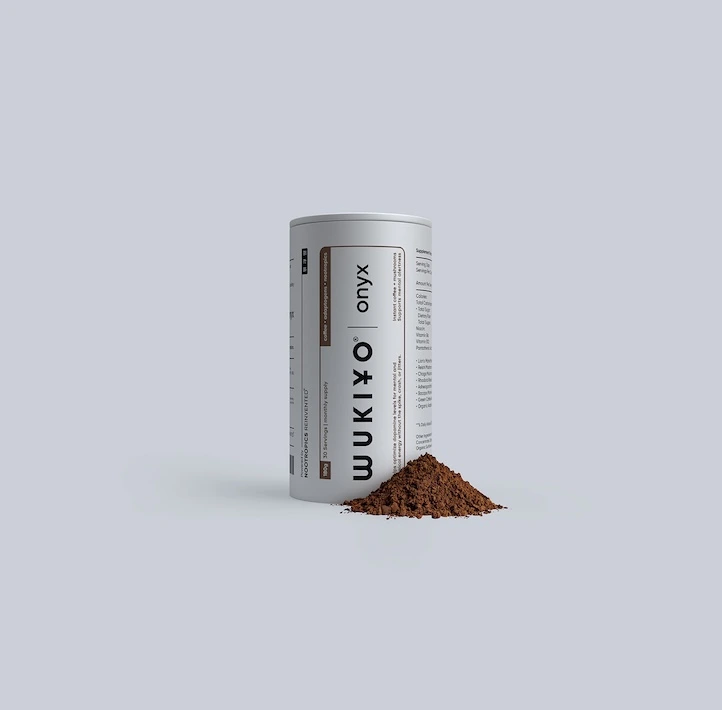
Instant
coffee + mushrooms
Instant coffee
+ mushrooms
Buy 2 Items | Get 10% Off.
$60 USD $42 USD

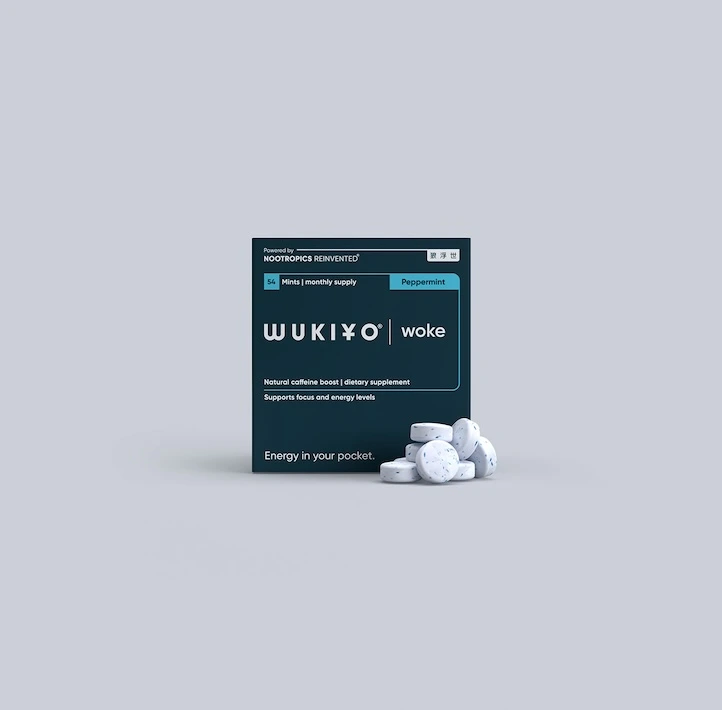
Natural
caffeine boost
Natural caffeine
boost
Buy 2 Items | Get 10% Off.
$36 USD $30 USD

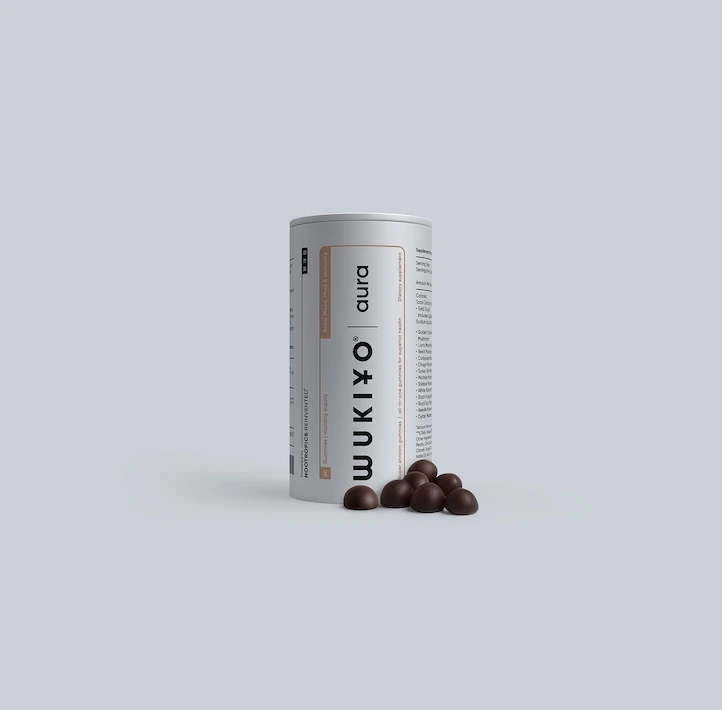
Super
shroom gummies
Super shroom
gummies
Buy 2 Items | Get 10% Off.
$57 USD $45 USD
Other posts

July 27, 2026
The Energy Hypothesis: The Hidden Rule Behind Human Behavior, Perception, and the Future of Cognitive Freedom

July 20, 2026
The Mitochondrial Revolution: The Tiny Power Plants That May Determine Everything

July 13, 2026
The Night Shift of the Human Brain: What Happens While You Sleep Could Determine How Long You Live

July 6, 2026
Brain Fog Is Not a Diagnosis. It Is a Warning Signal

June 29, 2026
The Dopamine Economy: Why Your Brain Is Being Auctioned Every Day

April 3, 2026
6 Years of Excellence: The Evolution of Focus in the Age of Noise

March 20, 2026
Peptides Are the Future of Performance. But the Future Requires Infrastructure.

March 13, 2026
Smart Drugs Do Not Make You Smarter. They Reduce Neural Friction.

March 6, 2026
The Glyphosate Panic, Alcohol, and the Real Neurotoxin We Ignore

February 27, 2026