







The Era of Neuroarchitecture Has Begun

Table of contents
Most nootropics promise focus.
Some promise energy.
A few promise clarity.
Very few ask a deeper question.
What if cognitive performance is not about stimulation at all?
What if it is about structure? In recent years, experimental compounds like Dihexa have entered scientific discussion not as stimulants, but as potential neuroarchitectural agents.
Instead of temporarily increasing dopamine or acetylcholine, these molecules aim to influence synaptogenesis, neurogenesis, and growth factor signaling pathways such as HGF and c-Met.
The language surrounding them is bold. Structural repair. Connectivity rebuilding. Architecture-level change.
And that language matters.
Because it signals a shift in how we think about the brain.

From Chemistry to Architecture
For decades, enhancement meant neurotransmitters.
Boost dopamine. Increase serotonin. Elevate norepinephrine.
But neurotransmitters are signals.
Signals require structure.
Without resilient neural networks, signaling efficiency collapses. Memory declines. Learning slows. Adaptability weakens.
Compounds like Dihexa are studied in preclinical models for their influence on synaptic density and growth pathways. In animal studies, they demonstrated increased hippocampal connectivity and activation of intracellular signaling cascades like PI3K and mTOR.
These are fundamental growth pathways involved in cellular survival and plasticity.
The key word here is preclinical.
Preclinical does not mean proven in humans. It means early-stage exploration. And that distinction is critical.
The Problem with the “Million Times Stronger” Narrative
The 1,000,000x potency claim refers to laboratory comparisons with BDNF activity in controlled environments.
It does not translate directly into human outcomes. It does not imply guaranteed regeneration. It does not bypass biological complexity.
The human brain is not a petri dish.
Architecture is not rebuilt overnight.
True neuroplasticity requires metabolic support, mitochondrial energy, inflammation control, sleep optimization, micronutrient sufficiency, and stress regulation.
Growth pathways do not operate in isolation.
And this is where the conversation becomes mature.
The WUKIYO Perspective on Neural Rebuilding
At WUKIYO, we believe the future of cognitive optimization is not reckless amplification. It is intelligent ecosystem design.
Synaptogenesis requires:
• Adequate phospholipid availability
• Omega-3 membrane integration
• Mitochondrial ATP production
• Reduced neuroinflammation
• Balanced cortisol signalling
• Deep sleep cycles for glymphatic clearance
This is biology. Not marketing.
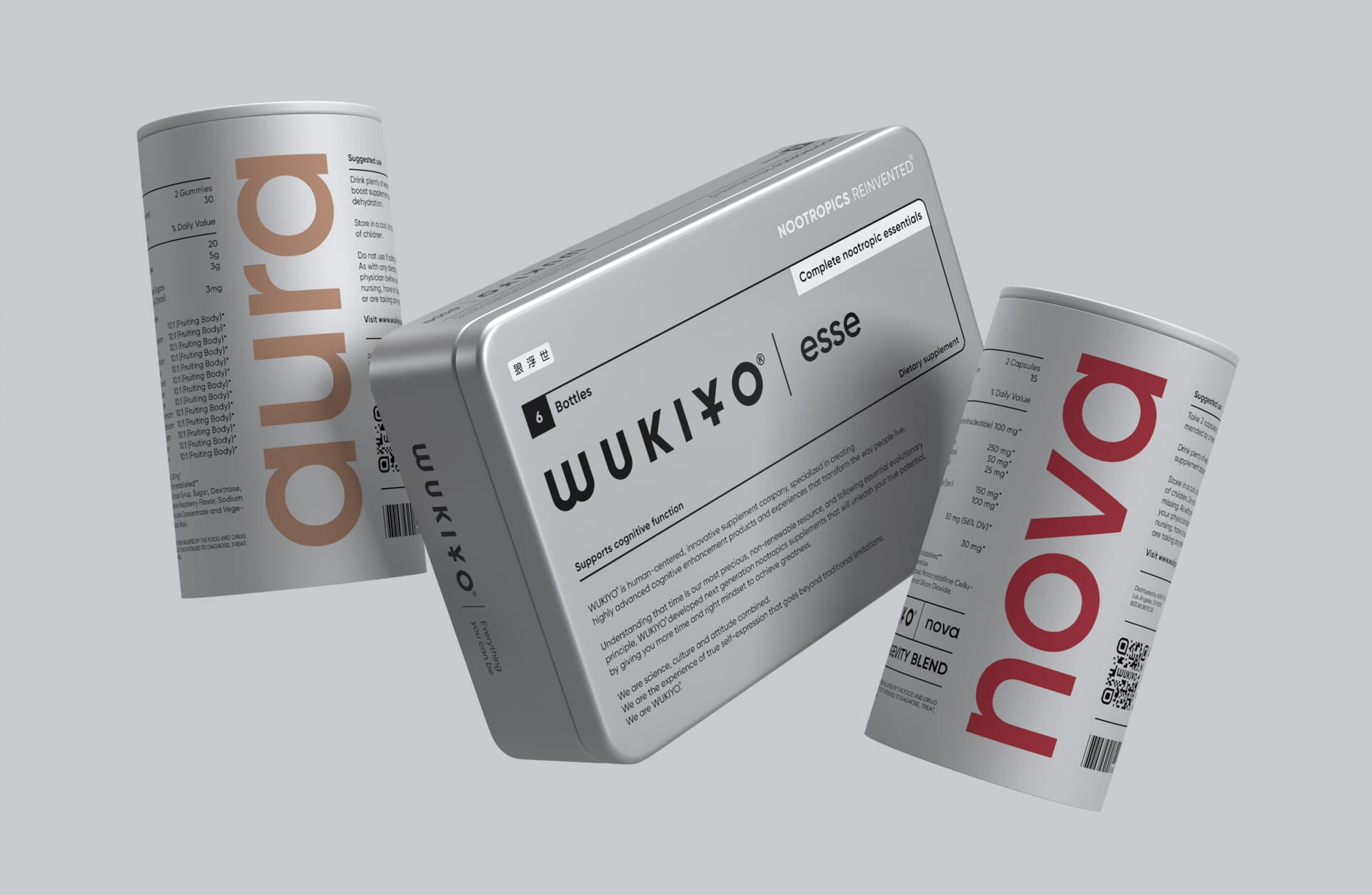
WUKIYO | aura integrates Lion’s Mane, a mushroom studied for its influence on nerve growth factor expression and neuroplasticity.
Unlike experimental peptides, Lion’s Mane supports endogenous growth pathways within physiological range.
WUKIYO | nova supports mitochondrial energy production through NAD+ precursors, CoQ10, and PQQ. Synaptic formation is energy expensive. Without ATP, plasticity cannot occur.
WUKIYO | esse provides DHA and phosphatidylcholine, structural components required for membrane fluidity and synaptic stability.
WUKIYO | seed regulates cortisol through adaptogens such as Ashwagandha and Rhodiola. Chronic stress directly impairs hippocampal neurogenesis.
WUKIYO | bliss and WUKIYO | onyx optimize serotonin balance and deep sleep architecture. Growth factors peak during restorative sleep cycles.
WUKIYO | vert supports detoxification and micronutrient sufficiency, ensuring the biochemical environment is conducive to neural remodeling.
And WUKIYO | apex enhances cholinergic function and attention networks, translating structural health into functional performance.
This is not neurotransmitter tweaking.
It is systems biology.

Regeneration vs Stimulation
The future of cognitive health is not about being sharper for three hours.
It is about maintaining neural density at sixty.
It is about protecting hippocampal volume under chronic stress.
It is about sustaining executive function in an overstimulated world.
Experimental peptides like Dihexa represent one frontier of research. But research molecules are not lifestyle protocols. And they are not substitutes for foundational neurobiology.
The true edge is not amplification.
It is resilience.
The brain does not need to be forced.
It needs to be supported.
Education Before Escalation
Powerful mechanisms demand responsibility.
And responsibility begins with education.
Before chasing potency claims, understand sleep.
Before seeking synaptogenesis, optimize inflammation.
Before looking for million-fold activity, correct micronutrient deficiencies.
The brain rebuilds when conditions allow it to rebuild.
And that is where intelligent supplementation belongs.
Not as a shortcut.
As a foundation.
WUKIYO was built on that principle.
Key Takeaways
• The conversation in cognitive science is shifting from stimulation to structural support.
• Dihexa is an experimental peptide studied in preclinical models for synaptogenesis and growth signaling.
• Preclinical potency claims do not equal proven human cognitive regeneration.
• True neural rebuilding requires mitochondrial energy, membrane integrity, stress control, and deep sleep.
• WUKIYO supports endogenous neuroplasticity through Lion’s Mane, NAD+ support, omega-3s, adaptogens, and sleep optimization.
• Sustainable cognitive evolution is built through systems biology, not single-molecule escalation.
• The future of nootropics is architecture-level resilience, not temporary neurotransmitter spikes.
Related products

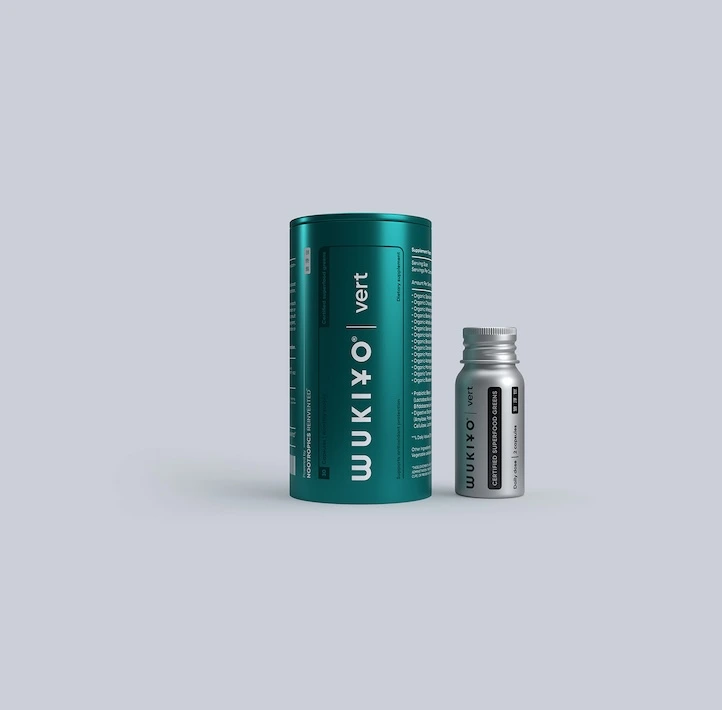
Certified
superfood greens
Certified superfood
greens

Buy 2 Items | Get 10% Off.
$54 USD $45 USD

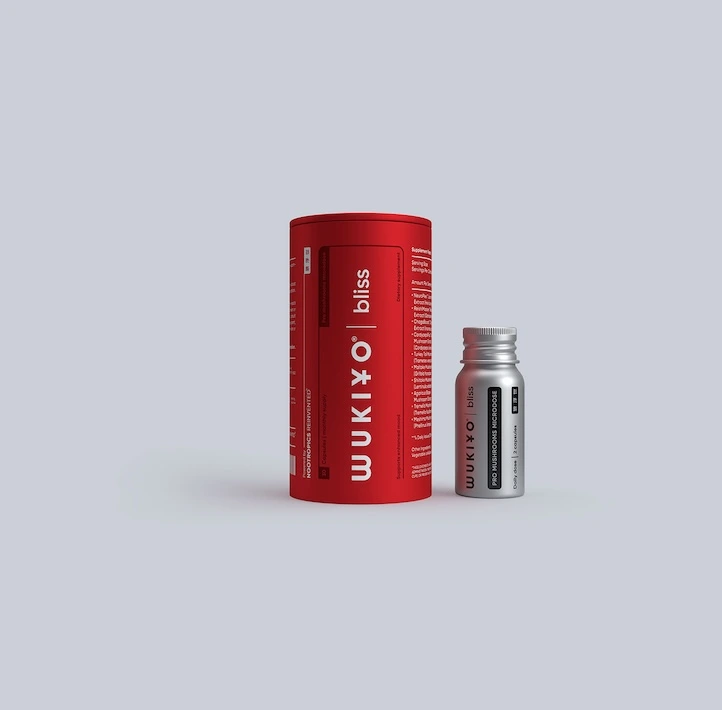
Pro
mushrooms microdose
Pro mushrooms
microdose
Buy 2 Items | Get 10% Off.
$99 USD $84 USD


Precision
cognitive enhancer
Precision cognitive
enhancer
Buy 2 Items | Get 10% Off.
$99 USD $84 USD

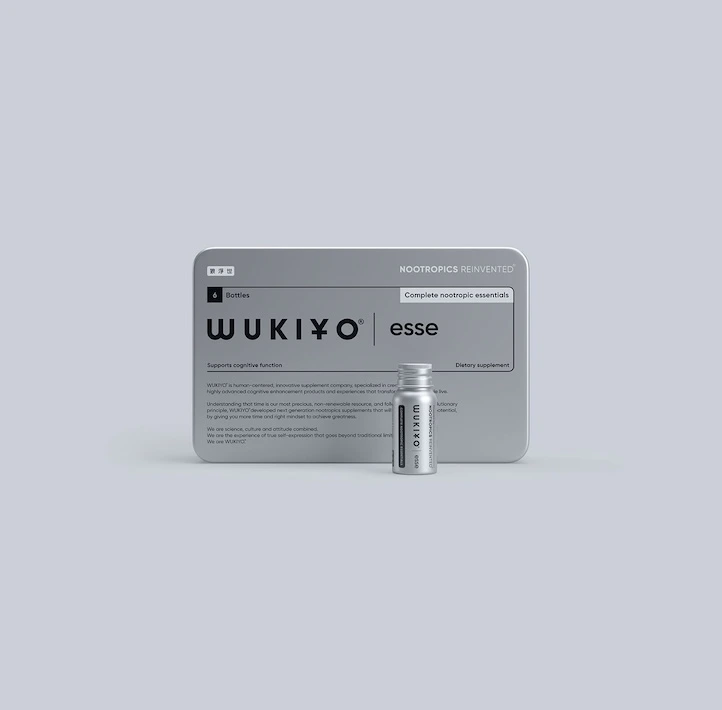
Complete
nootropic essentials
Complete nootropic
essentials
Buy 2 Items | Get 10% Off.
$54 USD $45 USD


Comprehensive
wellness formula
Comprehensive wellness
formula
Buy 2 Items | Get 10% Off.
$81 USD $69 USD


Prime
longevity blend
Prime longevity
blend
Buy 2 Items | Get 10% Off.
$81 USD $69 USD

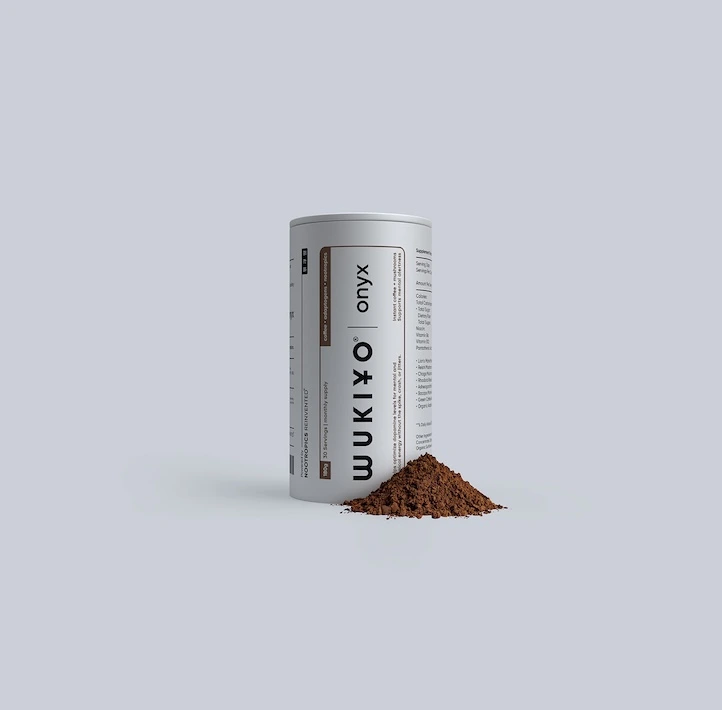
Instant
coffee + mushrooms
Instant coffee
+ mushrooms
Buy 2 Items | Get 10% Off.
$60 USD $42 USD

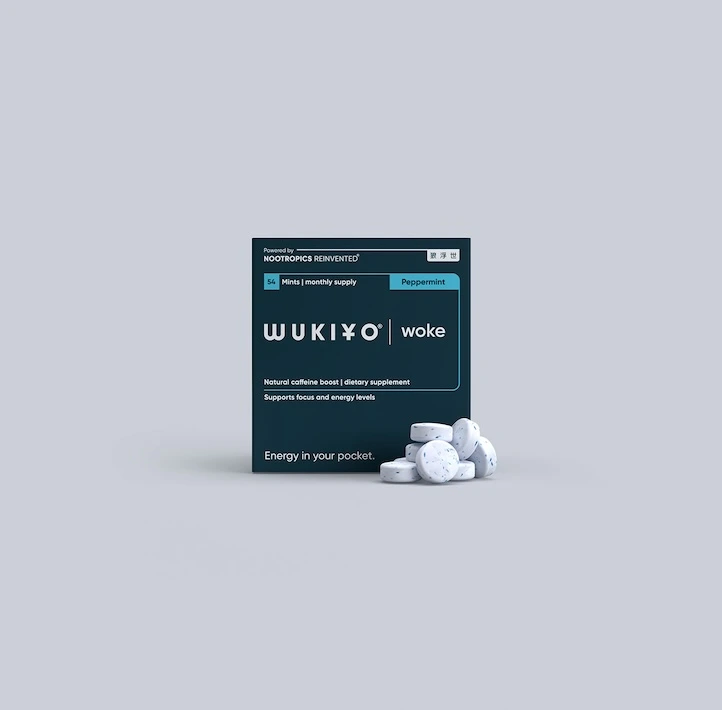
Natural
caffeine boost
Natural caffeine
boost
Buy 2 Items | Get 10% Off.
$36 USD $30 USD

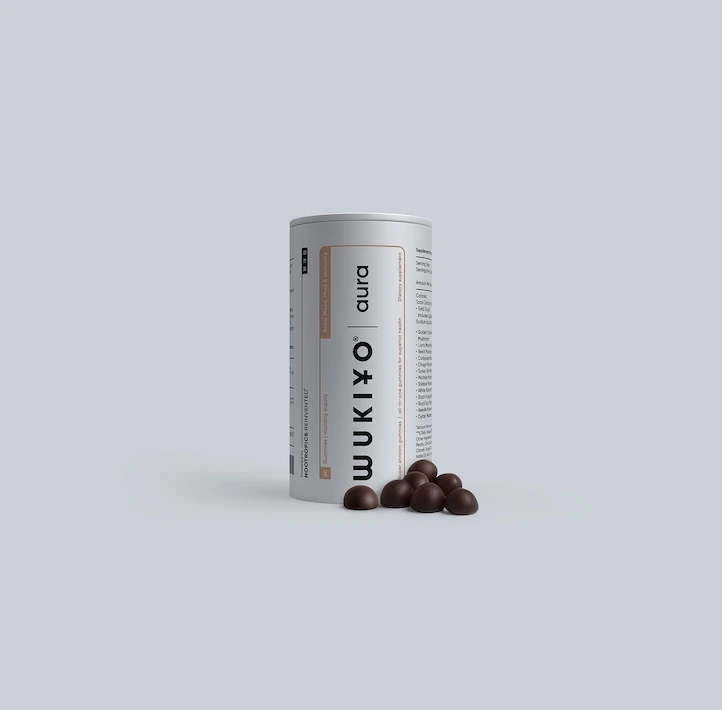
Super
shroom gummies
Super shroom
gummies
Buy 2 Items | Get 10% Off.
$57 USD $45 USD
Other posts

March 1, 2026
The Era of Neuroarchitecture Has Begun

February 19, 2026
The Integrity of Attention

December 22, 2025
Unlocking Cognitive Evolution: The WUKIYO Blueprint for the Modern Mind

December 22, 2025
Spirulina: The Algae That Redefines Human Nutrition

December 22, 2025
The Science of Energy: Rethinking Your Relationship with Caffeine

December 22, 2025
Hydration and Fasting: Why the Water You Drink Matters

December 22, 2025
The Hormone of Drive: How to Rebuild Testosterone and Redefine Masculine Vitality

December 12, 2025
The Brain Detox: How to Cleanse the Mind and Rebuild Clarity
November 25, 2025
The Regenerative Power Within: Reversing Fatty Liver

November 19, 2025