







The Science of Fatigue: Understanding the Origins of Energy Loss

Table of contents
Tiredness is an inevitable part of life, yet when fatigue becomes constant and unrelenting, it signals that something deeper may be out of alignment. It is more than sleepiness; it is a systemic slowdown, a disruption in the body’s energy orchestration that affects metabolism, hormones, and cognitive clarity.
True vitality is not about caffeine spikes or motivational surges. It is about sustained cellular performance. Chronic fatigue reflects an imbalance between how the body generates energy and how it expends it, a signal that biology, lifestyle, and environment are no longer in sync.
What Fatigue Really Is
Fatigue is the sensation of exhaustion that rest cannot fully repair. It is a warning system of the body and mind, appearing when internal processes begin to misfire. Persistent fatigue can be associated with autoimmune disorders, metabolic dysfunction, thyroid irregularities, or hormonal imbalance. However, it can also emerge from prolonged stress, nutrient deficiencies, or inadequate recovery.
The symptoms vary from person to person. A consistent lack of energy, loss of motivation, poor concentration, or slowed reflexes can all appear. Cognitive dullness and irritability often follow, showing how closely energy and emotion are connected.
The Biological Basis of Tiredness
At the cellular level, energy is produced in the mitochondria through a process known as ATP synthesis. When key nutrients are lacking or stress disrupts hormonal rhythms, this energy production weakens. The result is physical fatigue, mental fog, and emotional instability, the triad of modern exhaustion.
1. Nutrient Deficiencies
Energy begins with nourishment. Vitamins and minerals act as catalysts for every biochemical process in the body. Deficiencies in essential nutrients such as vitamin B12, iron, magnesium, and potassium can impair the production of ATP and slow neurological performance.
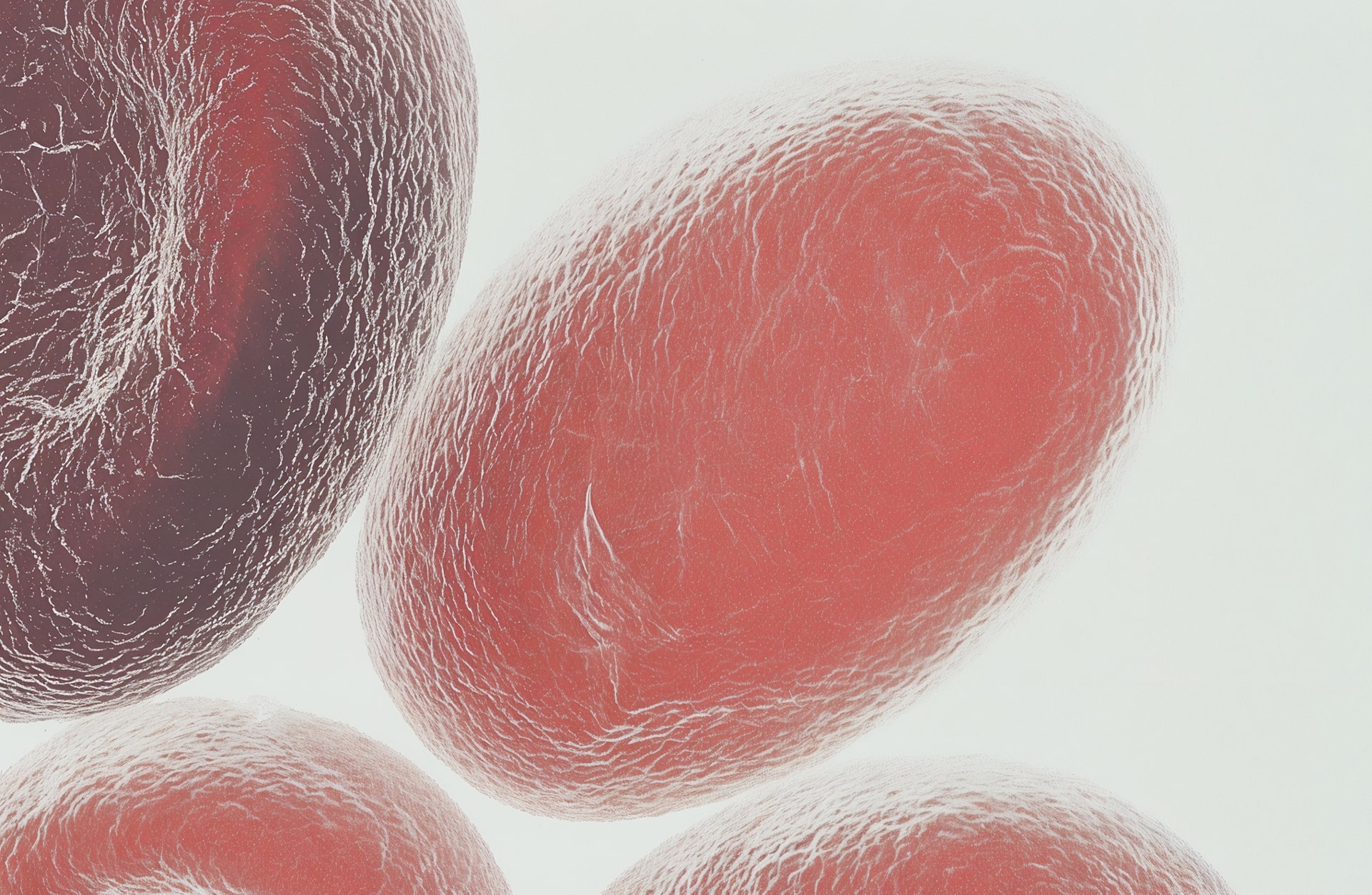
Vitamin B12 and folate support the creation of red blood cells, which deliver oxygen to tissues. Iron enables oxygen binding in hemoglobin, while vitamin B1 converts glucose into usable energy. Magnesium and potassium regulate muscle relaxation, nerve signaling, and quality of sleep. When any of these are depleted, fatigue becomes inevitable.
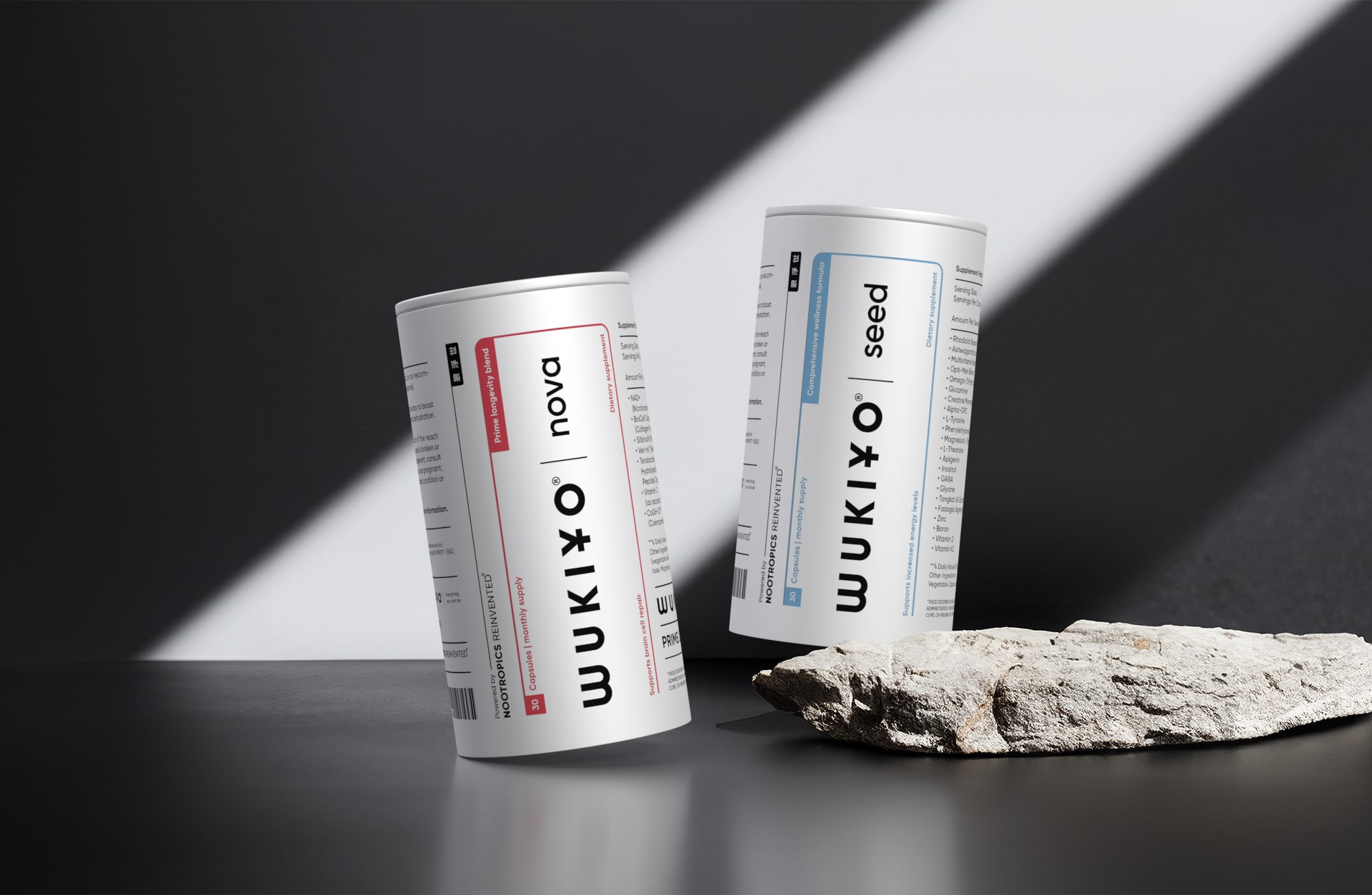
Formulations such as WUKIYO | seed are designed around this principle of nutritional precision. By combining adaptogens, essential amino acids, and micronutrients, it strengthens the metabolic foundation that sustains long-term energy production and recovery.
2. Stress and Adrenal Overload
Chronic stress is one of the most underestimated causes of fatigue. When the body continuously releases cortisol and adrenaline, the adrenal glands become overworked, leading to hormonal imbalance and reduced energy regulation. This condition, sometimes referred to as adrenal fatigue, disrupts sleep, triggers mood swings, and weakens metabolic rhythm.
Stress also depletes magnesium and B vitamins while increasing blood sugar fluctuations, creating a feedback loop that drains energy further. Supporting the stress response with adaptogenic herbs such as Ashwagandha and Rhodiola, both featured in WUKIYO | seed, helps restore hormonal harmony and mental clarity under pressure.
3. Sleep and Recovery
Sleep is the body’s repair mechanism, the essential phase where cells restore energy and the nervous system resets. When sleep quality declines, neurotransmitter balance and mitochondrial function are affected. Over time, the body’s ability to generate sustained focus and energy diminishes.
Modern fatigue is often a reflection of poor recovery cycles rather than pure overexertion. Deep, consistent sleep is essential to regenerate both physical and cognitive function. Supporting this process through optimal nutrition, circadian rhythm balance, and nervous system recovery is key.
4. Thyroid Imbalance
The thyroid acts as the engine of metabolism. When it slows down, every aspect of biological function follows. Low thyroid activity decreases oxygen consumption, muscle energy, and cognitive responsiveness. Symptoms include persistent tiredness, sluggishness, and cold sensitivity.
Balanced micronutrient intake and stress regulation play vital roles in maintaining thyroid health. When the endocrine system stabilizes, energy equilibrium returns.
5. The Role of Cellular Longevity
True energy is not just about immediate alertness. It is tied to cellular longevity. As we age, mitochondrial efficiency decreases, and the body becomes more vulnerable to oxidative stress. Maintaining strong antioxidant defenses and healthy cell signaling helps preserve vitality over time.
WUKIYO | nova, formulated with NAD+ precursors, CoQ10, and resveratrol, supports mitochondrial performance and DNA repair, addressing fatigue at its root in cellular energy capacity.
Rebuilding Energy Naturally
Fatigue is not a failure of willpower; it is a biological message that something deeper requires recalibration. Sustainable energy stems from balanced nutrition, adaptive stress response, restorative sleep, and precise supplementation.
In a world that moves faster than our biology can adapt, reclaiming energy is not about pushing harder. It is about optimizing intelligently. With the right alignment of mind, metabolism, and recovery, fatigue transforms from a limitation into feedback for growth.
Key Takeaways
Fatigue signals deeper biological and hormonal imbalances that go beyond simple tiredness.
Nutrient deficiencies, especially in B vitamins, iron, magnesium, and potassium, are among the leading causes of low energy.
Chronic stress depletes adrenal function and disrupts hormonal stability, intensifying fatigue.
Quality sleep and recovery are essential for maintaining energy and cognitive sharpness.
WUKIYO | seed and WUKIYO | nova deliver nutrient and cellular support for balanced energy, while adaptogens strengthen the body’s resilience to stress.
Sustainable vitality comes from synergy between nutrition, biology, and recovery, not temporary stimulation.
Related products





Other posts

December 22, 2025
Unlocking Cognitive Evolution: The WUKIYO Blueprint for the Modern Mind

December 22, 2025
Spirulina: The Algae That Redefines Human Nutrition

December 22, 2025
The Science of Energy: Rethinking Your Relationship with Caffeine

December 22, 2025
Hydration and Fasting: Why the Water You Drink Matters

December 22, 2025
The Hormone of Drive: How to Rebuild Testosterone and Redefine Masculine Vitality

December 12, 2025
The Brain Detox: How to Cleanse the Mind and Rebuild Clarity

November 25, 2025
The Regenerative Power Within: Reversing Fatty Liver

November 19, 2025
Cortisol: The Silent Architect of Stress and Survival

November 14, 2025
The Science of Fatigue: Understanding the Origins of Energy Loss

October 30, 2025