







The Hidden Network: How the Gut Speaks to the Mind

Table of contents
In the depths of the human body lies a silent intelligence, a network that bridges instinct and intellect. It operates quietly, yet it shapes our mood, our focus, and even the way we experience reality. This is the gut-brain axis, an intricate dialogue between the microbiome and the central nervous system that defines the state of both our body and our mind.
Modern science is beginning to uncover what ancient intuition always knew: the gut is not merely a digestive organ. It is the body’s second brain, influencing thought, emotion, and performance through a delicate exchange of biochemical messages.
The Language of Two Minds
The gut and the brain are in constant communication. This dialogue occurs through the vagus nerve, a biological data highway that connects millions of nerve endings within the intestinal wall to the brainstem. Within the gut resides the enteric nervous system, a vast network of over 100 million neurons that regulate digestion, immunity, and hormone release. This system operates independently yet remains deeply synchronized with the brain, ensuring harmony between physiological and emotional states.
The microbiome, trillions of bacteria, fungi, and microorganisms, acts as the interpreter between these two systems. It produces neurotransmitters such as serotonin, dopamine, and GABA, sending messages that directly influence mood regulation, cognitive clarity, and resilience to stress. When this communication falters, imbalance follows both physically and mentally.

When the Connection Weakens
A disrupted gut-brain connection manifests in subtle yet impactful ways: fatigue, anxiety, poor digestion, brain fog, and mood instability. Chronic stress, processed foods, and environmental toxins alter the diversity of the microbiome, leading to dysbiosis, an imbalance that allows harmful bacteria to thrive while beneficial strains decline. This state triggers inflammation, weakens the intestinal barrier, and distorts neural signaling to the brain. Over time, this miscommunication can affect cognitive function, focus, and even creativity. The mind slows when the microbiome struggles to keep pace.
Microbiome and Neurochemistry
The gut’s influence extends far beyond digestion. Beneficial microbes manufacture short-chain fatty acids, essential compounds that reduce inflammation, strengthen the gut lining, and enhance neurotransmitter production. Through the bloodstream, these molecules reach the brain, influencing energy metabolism and neural repair. The gut, in essence, becomes an active architect of mental performance. A resilient microbiome creates balance within the autonomic nervous system, regulating sleep, stress, and emotion. It is here, in this symbiosis, that the foundation of human potential begins.
Stress, Cortisol, and Cognitive Clarity
Stress is the silent disruptor of gut harmony. The release of cortisol, the body’s primary stress hormone, alters microbial balance and damages intestinal integrity. When stress becomes chronic, the gut barrier weakens, allowing inflammatory molecules to circulate through the bloodstream. The result is clouded thinking, irritability, and fatigue, symptoms often mistaken for purely psychological origins. Supporting the gut under stress is vital for maintaining clarity and cognitive performance. This is where adaptogenic and nootropic formulations can make a measurable impact.
The WUKIYO Approach to Gut-Brain Synergy
At WUKIYO, gut health is seen not as an isolated system but as the core interface of human evolution, where biology, cognition, and emotion converge. Our formulations are built to restore precision to this network.
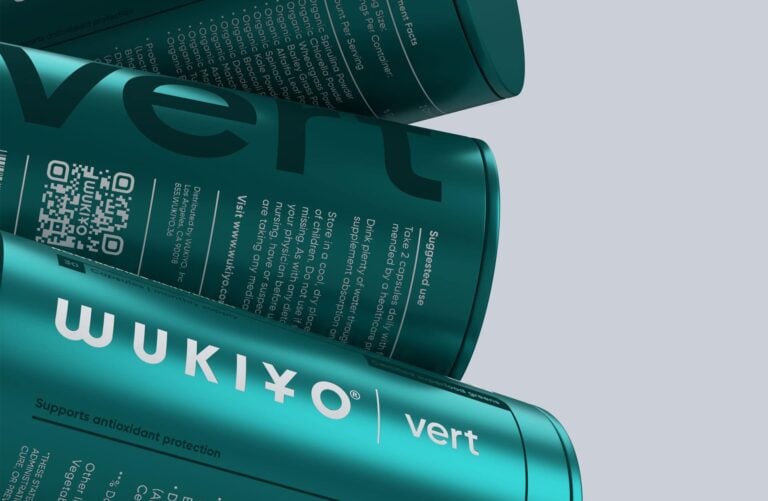
WUKIYO | vert delivers organic spirulina, chlorella, and probiotics, essential to microbial diversity and detoxification. By fortifying the gut environment, it enhances nutrient absorption and neurotransmitter synthesis.
WUKIYO | seed introduces adaptogens such as Rhodiola Rosea and Ashwagandha, harmonizing the stress response that often undermines gut balance. Its synergy of amino acids and antioxidants nurtures the biochemical rhythm between brain and body.
WUKIYO | bliss, infused with neuroactive mushroom extracts like Lion’s Mane and Reishi, supports nerve growth factor and immunity, two pillars of the gut-brain relationship. It restores calm clarity where stress once disrupted balance. Each formulation aligns with the principle of biological precision, science engineered to work with your system, not against it.

Recalibrating the Network
Reinforcing the gut-brain axis begins with alignment between lifestyle, nutrition, and inner rhythm. A few evidence-based strategies include embracing fermented and prebiotic foods that nurture microbial diversity, avoiding ultra-processed ingredients that disrupt gut flora, engaging in daily movement to stimulate gut motility and neurochemical release, and practicing intentional stress reduction through breathwork or mindfulness. These micro-adjustments create macro results, recalibrating your internal ecosystem for clarity, focus, and vitality.
The Future of Cognitive Wellness
The gut-brain axis represents the next frontier of human optimization. It teaches us that mental performance is not born in the mind alone but cultivated through the quiet intelligence of the microbiome. By understanding and supporting this hidden network, we move closer to true cognitive evolution, where balance fuels brilliance and biology becomes an ally of the mind.
Key Takeaways
The gut-brain axis is a continuous communication network that links the digestive system and the central nervous system.
A balanced microbiome influences mood, focus, and cognitive performance through neurotransmitter production.
Chronic stress and poor diet can disrupt this connection, leading to inflammation, mental fatigue, and mood instability.
WUKIYO | vert, WUKIYO | seed, and WUKIYO | bliss are designed to support the gut-brain axis through nutrients, adaptogens, and neuroactive ingredients.
Reinforcing gut health is essential for advancing human performance, emotional balance, and long-term cognitive vitality.
Related products


Certified
superfood greens
Certified superfood
greens

Buy 2 Items | Get 10% Off.
$54 USD $45 USD


Pro
mushrooms microdose
Pro mushrooms
microdose
Buy 2 Items | Get 10% Off.
$99 USD $84 USD


Comprehensive
wellness formula
Comprehensive wellness
formula
Buy 2 Items | Get 10% Off.
$81 USD $69 USD
Other posts

December 22, 2025
Unlocking Cognitive Evolution: The WUKIYO Blueprint for the Modern Mind

December 22, 2025
Spirulina: The Algae That Redefines Human Nutrition

December 22, 2025
The Science of Energy: Rethinking Your Relationship with Caffeine

December 22, 2025
Hydration and Fasting: Why the Water You Drink Matters

December 22, 2025
The Hormone of Drive: How to Rebuild Testosterone and Redefine Masculine Vitality

December 12, 2025
The Brain Detox: How to Cleanse the Mind and Rebuild Clarity
November 25, 2025
The Regenerative Power Within: Reversing Fatty Liver

November 19, 2025
Cortisol: The Silent Architect of Stress and Survival

November 14, 2025
The Science of Fatigue: Understanding the Origins of Energy Loss

October 30, 2025